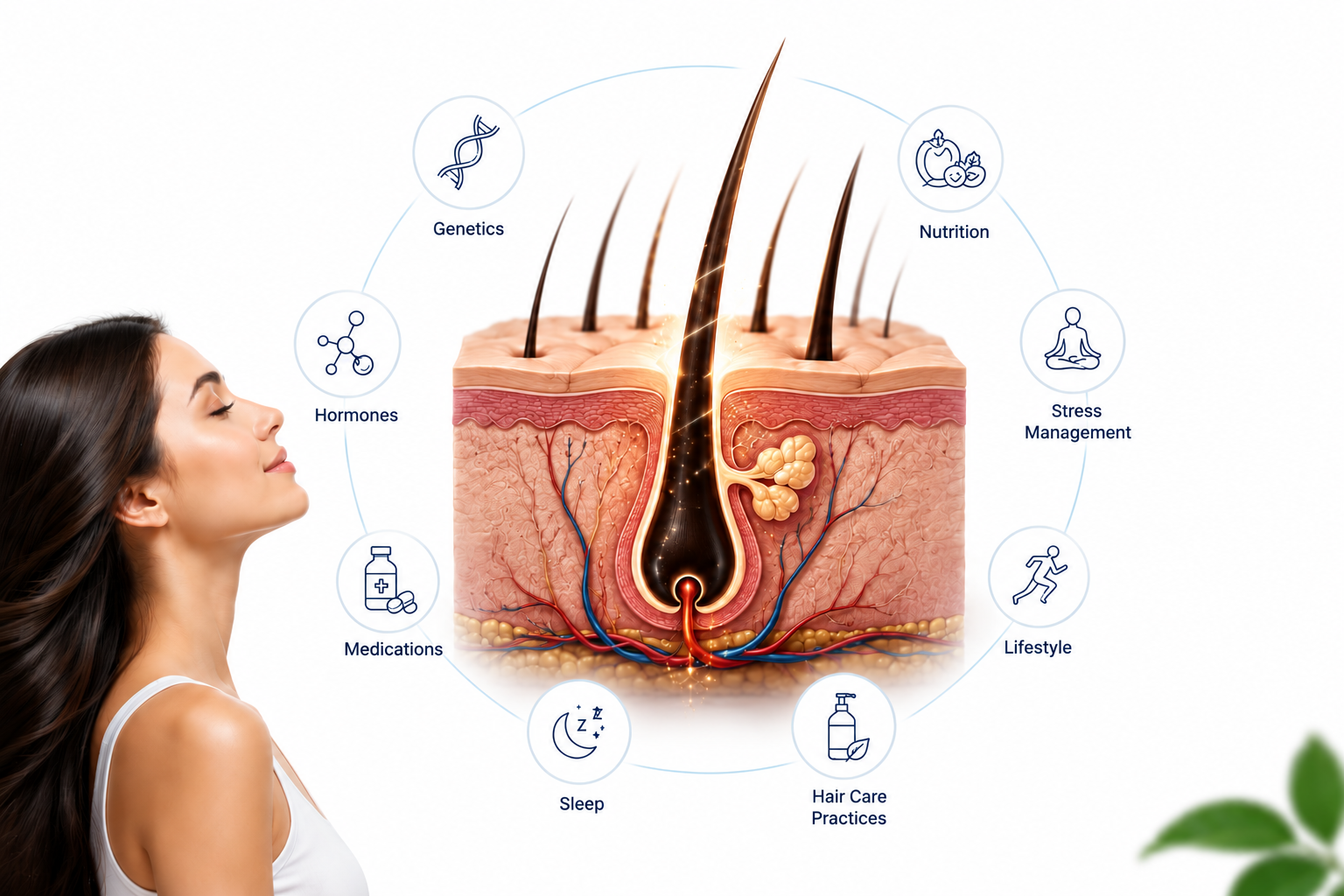
Healthy, strong hair is often seen as a sign of overall well-being. While many people focus on treating hair loss after it begins, understanding how hair naturally grows is the first step toward maintaining healthy hair. Knowing the basics of hair structure, growth cycles, and the factors that influence hair health can help you make informed decisions and recognize when professional care may be needed.
What Is Hair and Why Is It Important?
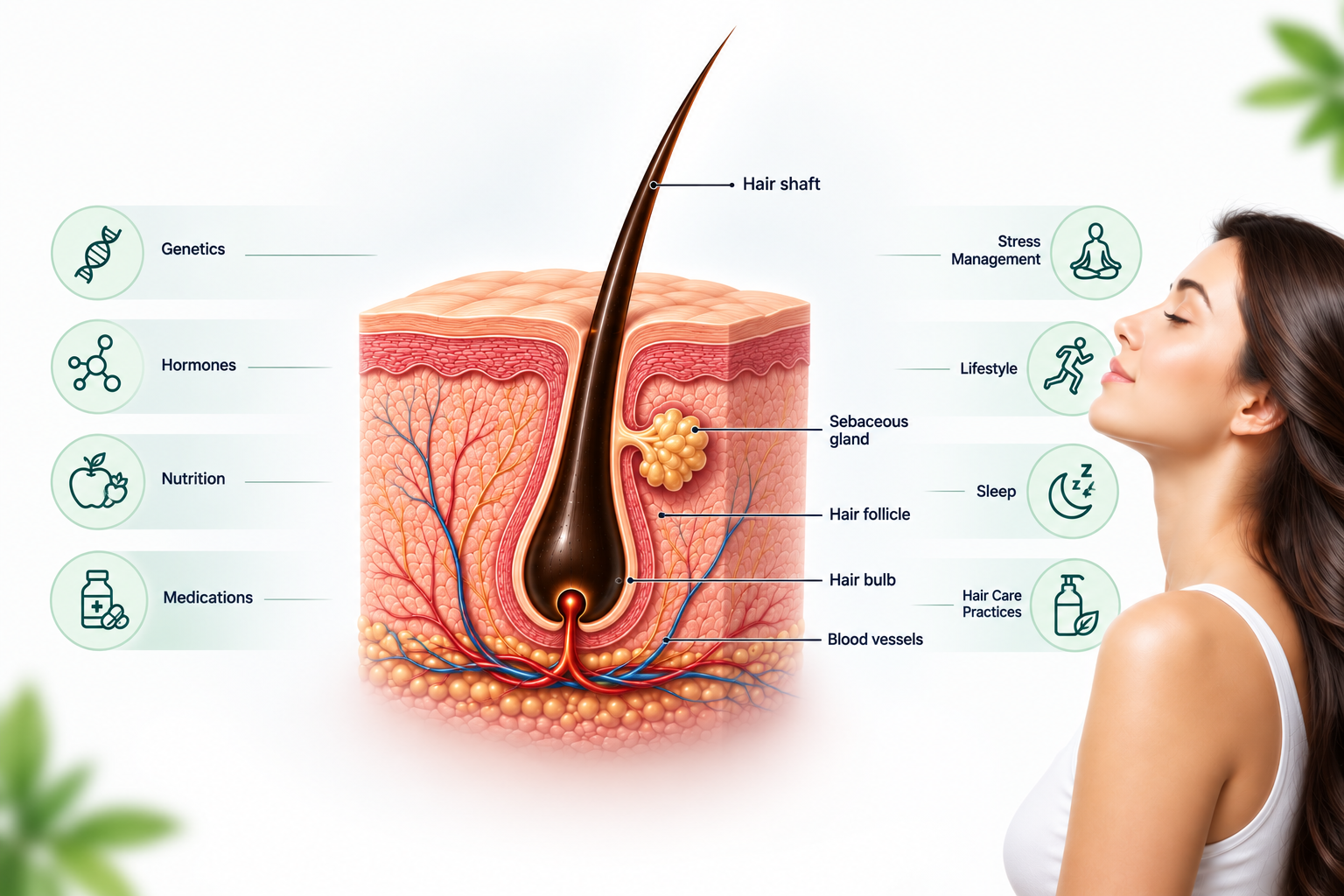
Hair is more than just a cosmetic feature. It plays several important roles in the human body, including protecting the scalp from environmental damage, helping regulate body temperature, and enhancing our sense of touch. Beyond its biological functions, hair also contributes significantly to confidence, self-expression, and cultural identity. Every strand of hair grows from a tiny structure beneath the skin called a hair follicle. These follicles are formed before birth and continue producing new hair throughout life. As new cells develop at the base of the follicle, older cells are pushed upward, forming the visible hair shaft.
The Natural Hair Growth Cycle
Hair doesn't grow continuously. Instead, each strand follows a repeating cycle made up of four distinct phases.
1. Anagen – The Growth Phase
This is the longest stage of the hair cycle and is when active growth occurs. It can last anywhere from two to eight years, depending on genetics and other individual factors. During this phase, hair grows steadily as new cells are produced within the follicle.
2. Catagen – The Transition Phase
The catagen phase is a short period lasting only a few weeks. During this time, hair growth stops, and the follicle begins to shrink in preparation for the next stage.
3. Telogen – The Resting Phase
In the resting phase, the hair remains attached to the follicle without growing. This stage typically lasts several months while new hair begins developing underneath.
4. Exogen – The Shedding Phase
Eventually, the old hair naturally sheds, allowing a new strand to emerge from the same follicle. This continuous renewal process keeps the scalp healthy. At any given time, the majority of your scalp hair is actively growing, while only a smaller percentage is resting or shedding.
What Influences Hair Growth?
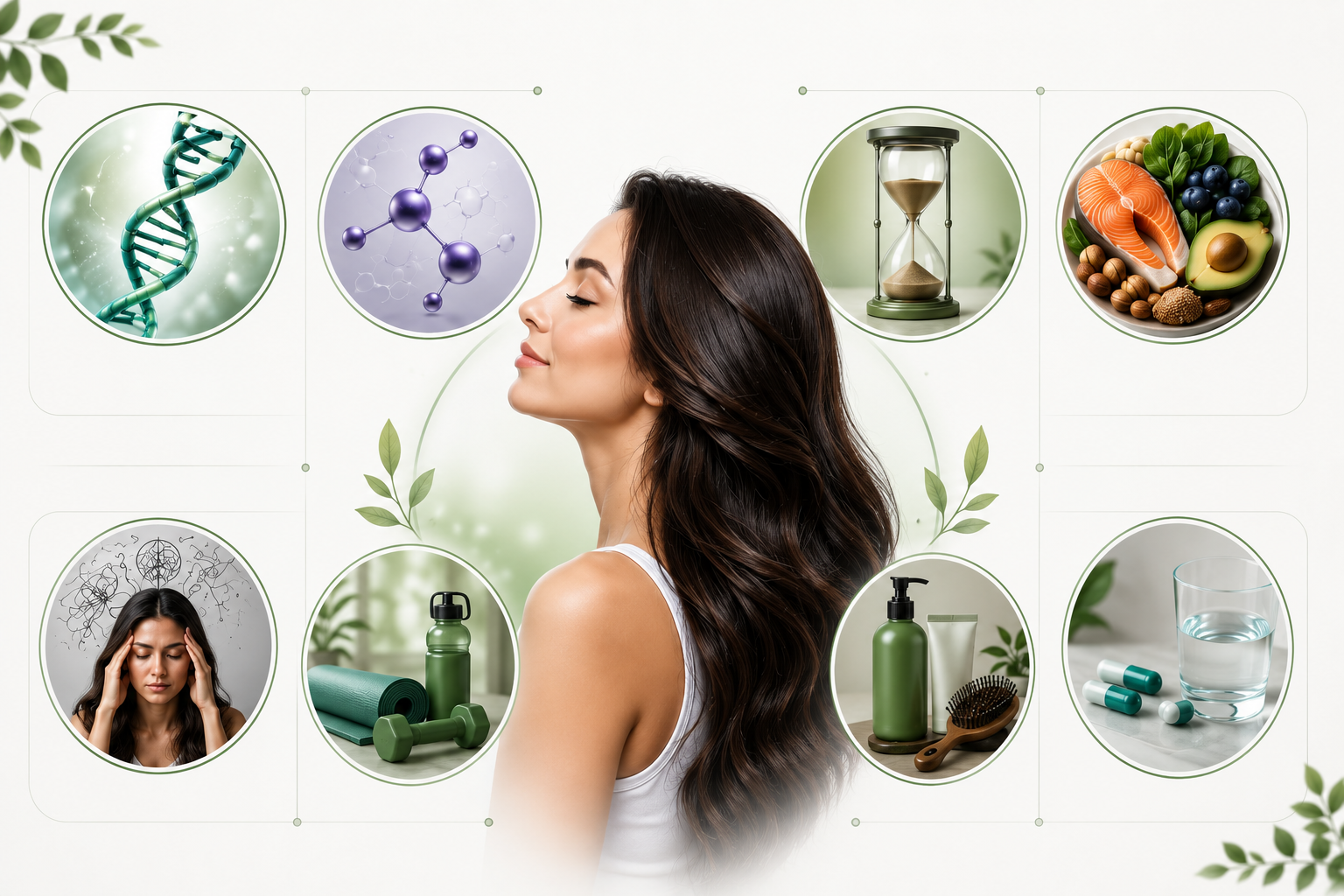
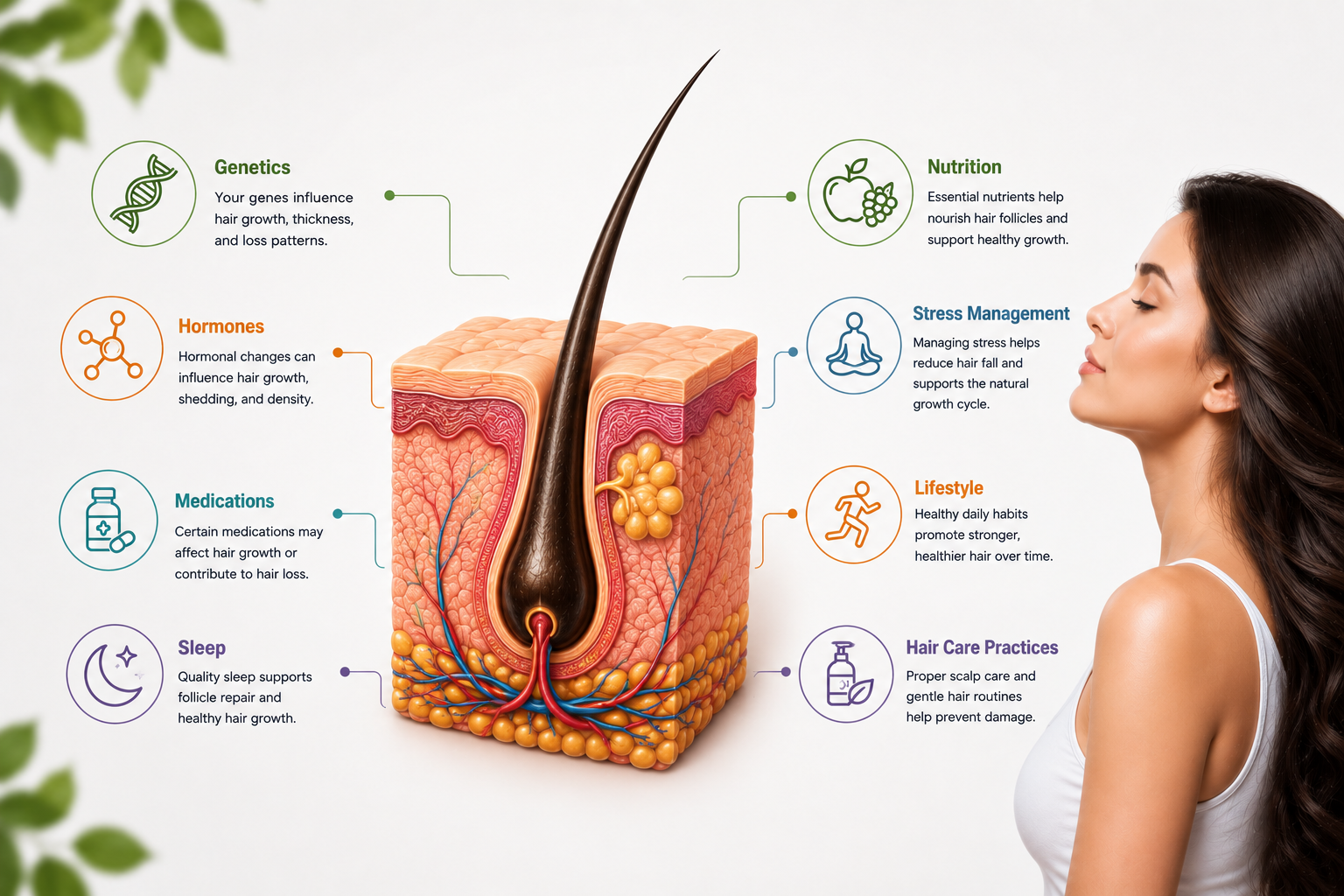
Hair health depends on a combination of internal and external factors. Understanding these influences can help you maintain stronger, healthier hair.
1. Genetics
Your genes largely determine your hair's thickness, texture, color, and growth pattern. Family history also plays a major role in certain types of hair loss.
2. Hormones
Hormonal balance is essential for healthy hair growth. Changes in thyroid hormones, reproductive hormones, or other hormonal conditions can affect the hair growth cycle.
3. Age
As we get older, hair naturally becomes thinner, grows more slowly, and may gradually lose its natural pigment, leading to grey hair.
4. Nutrition
Hair follicles require a constant supply of nutrients to function properly. A balanced diet containing adequate protein, iron, zinc, healthy fats, and essential vitamins supports healthy hair growth and strength.
5. Stress
Long-term physical or emotional stress can interrupt the normal hair growth cycle, causing more hairs than usual to enter the shedding phase. Although this type of hair loss is often temporary, managing stress is an important part of maintaining hair health.
6. Lifestyle Habits
Regular exercise, adequate sleep, and avoiding smoking can positively influence hair growth by improving circulation and supporting overall health.
7. Hair Care Routine
Gentle hair care makes a significant difference. Using mild shampoos, minimizing excessive heat styling, avoiding harsh chemical treatments, and preventing tight hairstyles can reduce breakage and protect the hair shaft.
8. Certain Medications
Some medications may temporarily affect hair growth. If you notice increased hair shedding after starting a new medication, discuss your concerns with your healthcare provider before making any changes.
Hair Facts You May Not Know
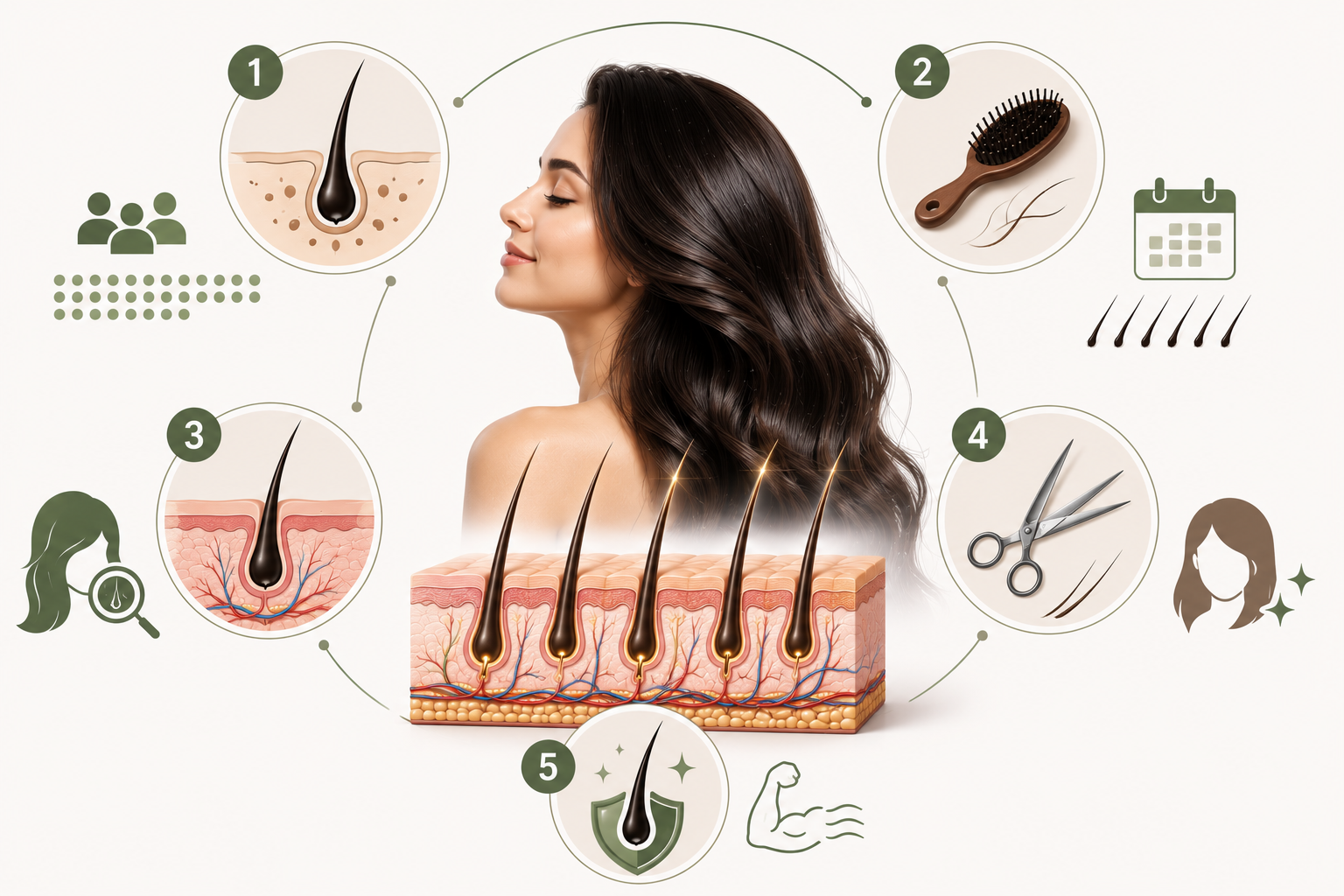
1. The average person has around 100,000 hair follicles on the scalp. 2. Losing 50 to 100 hairs daily is considered a normal part of the hair growth cycle. 3. Hair grows from the follicle beneath the scalp—not from the ends. 4. Trimming your hair helps remove split ends but does not increase its growth rate. 5. Healthy hair is remarkably strong and flexible.
When Should You See a Dermatologist?
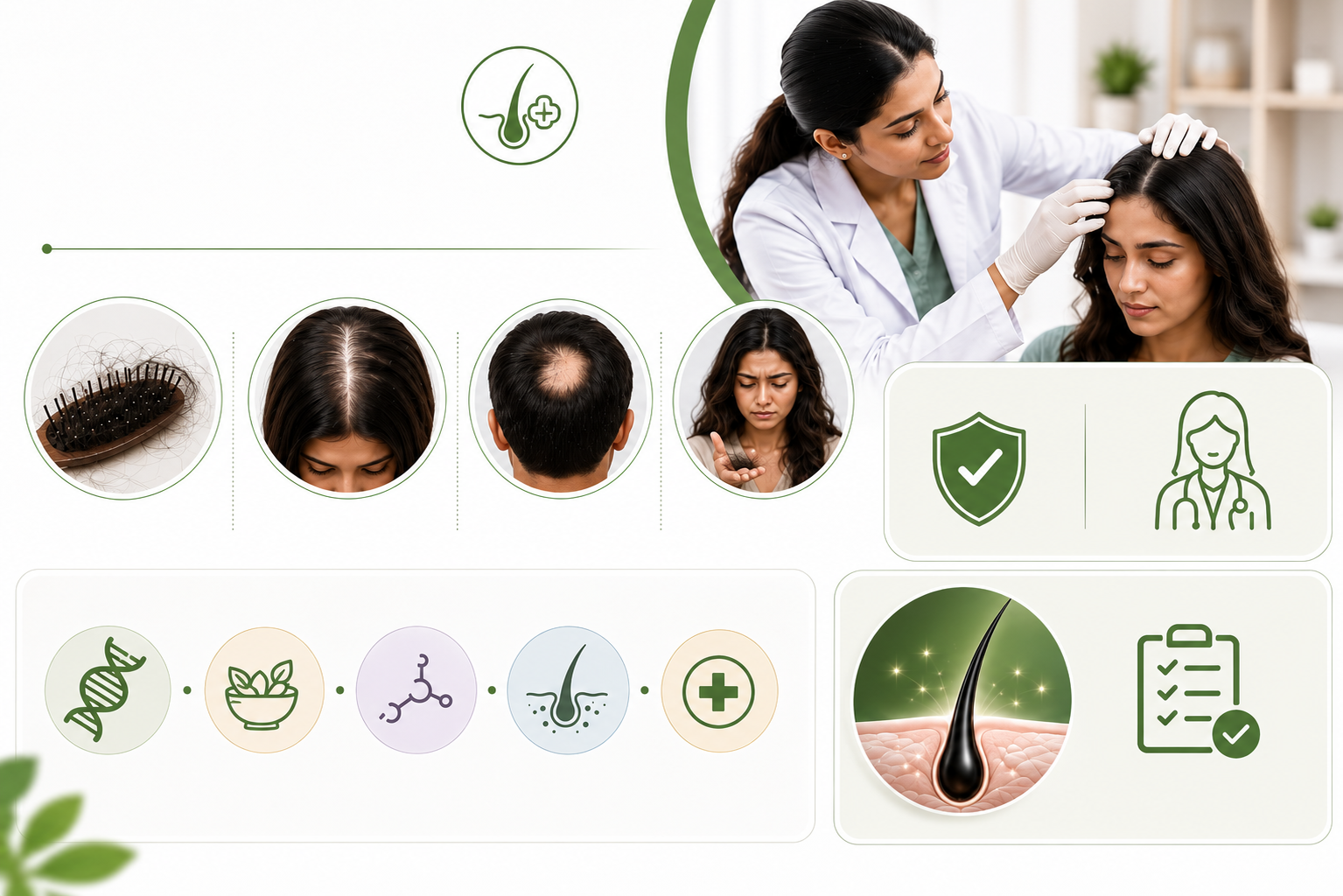
Occasional hair shedding is normal, but persistent hair loss, visible thinning, patchy bald spots, or sudden excessive shedding should not be ignored. Early evaluation can help identify the underlying cause and improve treatment outcomes. A dermatologist can assess whether your hair concerns are related to genetics, nutritional deficiencies, hormonal changes, scalp conditions, or other medical issues and recommend the most appropriate treatment plan.
Conclusion
Healthy hair begins with understanding how it naturally grows. While factors such as genetics cannot be changed, maintaining a healthy lifestyle, eating a balanced diet, managing stress, and following proper hair care practices can support stronger, healthier hair over time. If you're experiencing ongoing hair concerns, seeking professional advice early can make all the difference.